
Infrastructure & Private Cloud
Private infrastructure without enterprise overhead.
Linux, virtualization, networking, storage, databases and application platforms designed as a coherent system that a growing company can actually operate.
The reality we start from
Infrastructure becomes expensive when complexity becomes invisible.
None of these problems arrive at once. They accumulate quietly — and they are all solvable with deliberate engineering rather than another round of emergency fixes.
Undocumented servers nobody can fully explain
Applications tied to individual machines
Inconsistent or untested backups
Unclear network boundaries
Growing dependency on scattered SaaS tools
Fragile reverse proxy configurations
Manual, error-prone deployment
Old virtual machines nobody wants to touch
Security rules added without architecture
Resources permanently oversized or constantly exhausted
What we build
Infrastructure capabilities
Linux systems
- Ubuntu and Debian baselines
- systemd services and dependencies
- Storage and networking layout
- Package lifecycle and updates
Virtualization & private cloud
- Incus system containers and virtual machines
- KVM/QEMU where full isolation is required
- Resource allocation and snapshots
- Workload migration between hosts
Network & edge
- nginx and HAProxy reverse proxies
- TLS management, VPN and WireGuard
- Routing and network segmentation
- Secure publication of internal services
Data services
- PostgreSQL, MySQL/MariaDB and Redis
- Application database design and tuning
- Backup and recovery procedures
- Performance troubleshooting
Application environments
- Web applications and APIs
- Python, Node and PHP services
- Static and dynamic sites
- Internal line-of-business applications
Operations
- Updates and lifecycle planning
- Monitoring and log management
- Backup verification and recovery drills
- Documentation the next engineer can use
Private cloud layer
A practical private-cloud layer for many SMB workloads
Incus can provide a unified operational layer for Linux system containers and virtual machines while keeping infrastructure understandable and resource-efficient.
- Workload isolation with containers and VMs side by side
- Snapshots, migration and storage pools
- Projects and networking per team or customer
- API automation for repeatable operations
Not every private environment needs Kubernetes. Orchestrators solve real problems at a certain scale — and add operational cost below it. We choose per workload, not per trend.
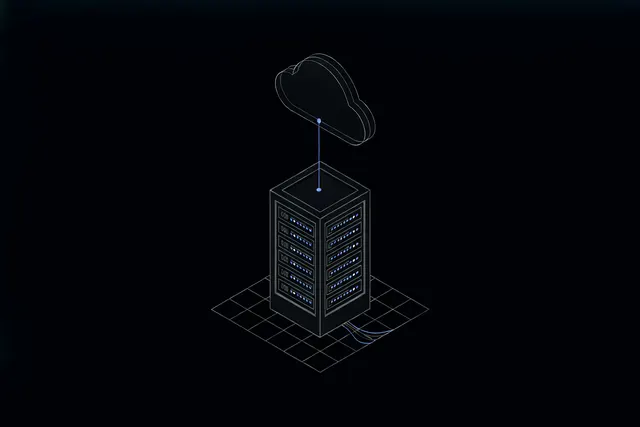
Reference topology
A clear path from the internet to your workloads
Controlled exposure, a segmented private network, isolated workloads, shared data services and verified backups — one understandable system.
Technology we work with
Familiar tools, chosen deliberately

Operations first
Built to be run, not only installed
A deployment is only the beginning. We document what runs where, automate what repeats, monitor what matters and rehearse recovery before it is needed.
- Runbooks and architecture records kept with the system
- Monitoring that alerts on symptoms the business feels
- Backup jobs that are restored, tested and verified
Infrastructure & Private Cloud
Let’s look at your current infrastructure.
Describe what is running today and what hurts. We will tell you honestly whether it needs restructuring, integration or simply better operations.